Modern finishes are available in a wide range of sheen levels, from ultra matt and satin through to semi‑gloss and gloss. Lower sheen finishes give a more natural look and help disguise minor wear over time, while higher sheen finishes reflect more light and can highlight the grain but may show marks more readily. We’ll guide you through the options so the final result suits both the room and how the floor will be used.
We use established professional finishing systems and select the most suitable option based on the floor type, expected traffic levels, appearance goals, and maintenance preferences. Using the correct system and applying it properly is essential for durability, appearance, and long‑term performance.
Looking for a colour change rather than a restoration? Read our guide on How Can You Change The Colour Of Wooden Floors? or explore the differences between white oil, white stain and lacquer in Whitewashed Wooden Floors: White Oil vs White Stain vs Lacquer
Staining and colour finishes can be used to adjust the appearance of a floor once it has been sanded back to bare timber. Some floors appear lighter after sanding, particularly where older finishes had darkened over time. Colour finishes can help restore warmth or introduce a new tone. Test samples are carried out where appropriate so you can see how the timber responds before committing.
Gap filling depends on the type of floor and how much natural movement is expected. Older or traditional floors often move seasonally, meaning rigid filling methods may not always be suitable. In other cases, resin fillers or timber slivers may be used to improve appearance and reduce draughts. We advise honestly on what is appropriate and set realistic expectations for how gaps may behave over time.
Most floor sanding projects take between one and three days depending on the size of the area, preparation requirements, and the finishing system selected. We provide realistic timings as part of the quotation so you can plan accordingly.
We use modern dust‑controlled sanding equipment fitted with professional extraction systems to significantly reduce airborne dust. While no system can guarantee zero dust, the process is clean, controlled, and designed to minimise disruption.
Light foot traffic is often possible after the initial drying stage, but full curing times vary depending on the finish used. We provide clear aftercare guidance so the finish can harden properly and perform as intended.
Correct aftercare helps protect your newly finished floor and extend the life of the finish. We provide advice on suitable cleaning products, furniture protection, and simple maintenance routines.
Not every worn floor needs a full restoration. Read Wood Floor Maintenance vs Restoration guide to understand where maintenance, refinishing and sanding fit within the floor care cycle. In some cases, floors can be refreshed using a maintenance recoat rather than a full sanding process. This depends on the condition of the existing finish and how much wear has occurred. We assess the floor honestly and advise on the most appropriate long‑term solution.
Every wooden floor has its own natural character, and part of professional restoration is understanding what can — and can’t — be changed. Even floors of the same species can respond differently to sanding and finishing.
Variations in grain, density, and the balance of heartwood and sapwood affect how boards absorb stain, reflect light, and wear over time. These differences are normal and are part of what distinguishes real timber from manufactured flooring.
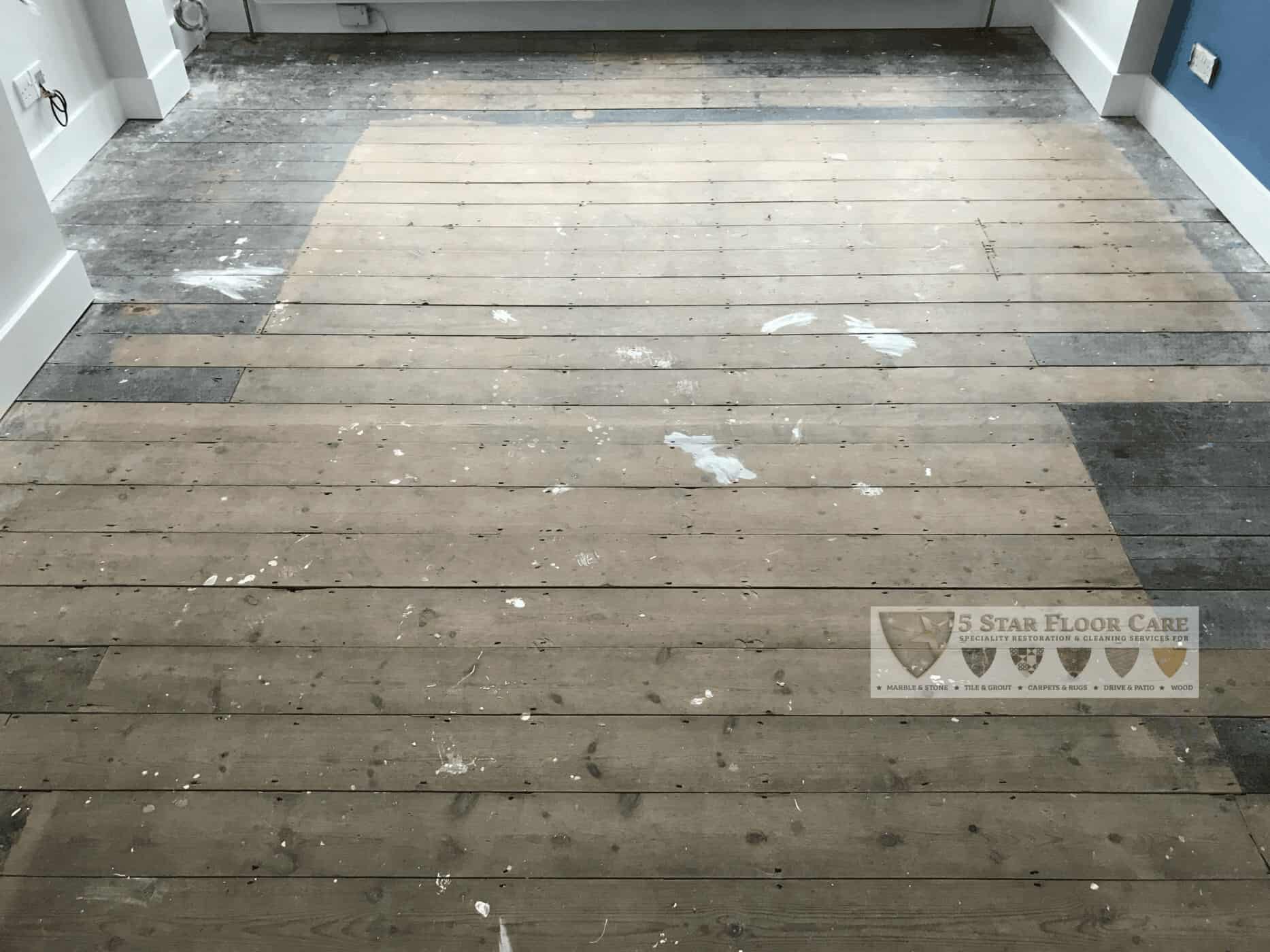
Sanding and refinishing will significantly improve the appearance and performance of a floor, but it will not remove every historic mark or make natural variation disappear completely. Minor differences in tone or texture should be expected, especially on older floors.
This is why inspection matters before work begins. Floor construction, subfloor condition, previous sanding history, moisture levels, and — for engineered floors — wear layer thickness all influence what is safe and realistic to achieve.
Our role is to restore the floor properly, explain what’s achievable, and recommend finishes that suit both the timber and how the space is used — so the end result looks right and performs well long term.